Art in Kitchens and Bathrooms: Elevating the Most Functional Spaces in Your Home
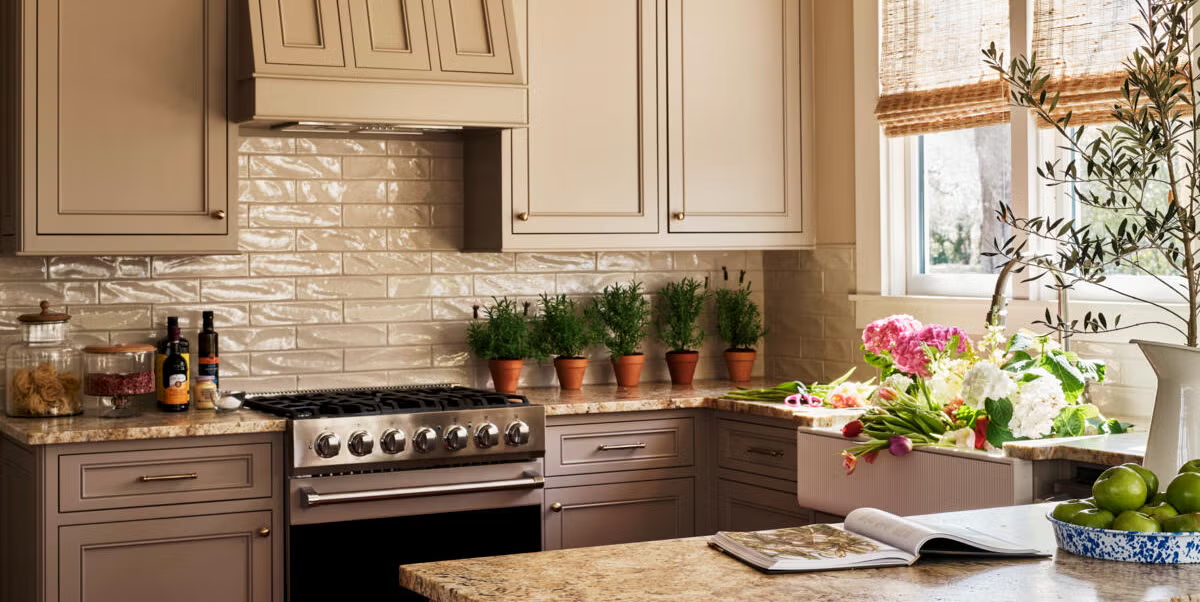
For many years, the kitchen and the bathroom were treated as purely utilitarian zones, spaces defined by hard surfaces, wipe-clean finishes, and a strictly clinical approach to layout. However, the modern home is evolving into a more fluid environment where the boundaries between “living” areas and “working” areas are increasingly blurred. We are seeing a significant shift toward personal expression in these rooms, moving away from sterile minimalism and toward a curated, lived-in aesthetic. By introducing artwork into these spaces, homeowners can inject soul and character into what might otherwise be cold, tiled environments. Exploring sophisticated designs for your kitchen and bath allows you to see how even the most practical corners of a home can become a canvas for creativity and personal history. This transformation is about more than just decoration; it is about creating a cohesive atmosphere that reflects the inhabitants’ tastes throughout the entire property.
The kitchen is often called the heart of the home, yet it is frequently the last place people think to hang a framed oil painting or a delicate sketch. The hesitation usually stems from concerns about grease, steam, or the perceived “busyness” of the room. Yet, when art is integrated thoughtfully, it provides a visual rest point amidst the flurry of meal preparation and socializing. A well-placed landscape or an abstract composition can soften the sharp edges of cabinetry and stone countertops. The key is to treat the kitchen with the same level of decorative respect as the living room or the library, acknowledging that we spend a vast amount of our lives in these spaces and deserve to be surrounded by beauty.
When planning a layout that accommodates fine art, one must consider how the architecture of the room interacts with the pieces being displayed. A successful integration often begins with the structural bones of the space, ensuring that lighting, cabinetry, and wall space are balanced to highlight specific focal points. Whether you are working with a historic property or a contemporary build, looking into professional guidance at www.gartmannrenovations.com can help you realize the potential of your walls before the final decor is even selected. By considering the placement of artwork during the early stages of a project, you can ensure that the lighting is optimized and the environment is properly ventilated to protect your collection.
The Kitchen as an Unexpected Gallery
In the modern kitchen, art serves as a bridge between the clinical nature of appliances and the warmth of a family home. While many might reach for food-related prints or botanical illustrations of herbs, the most successful designs often lean into the unexpected.
Juxtaposition and Contrast
There is something inherently charming about placing a traditional, heavy-framed portrait in a sleek, modern kitchen. This contrast creates a layer of sophistication that makes the room feel like it has evolved rather than being installed in a single weekend. The juxtaposition of a rustic wooden table with a vibrant, contemporary abstract piece can also invigorate a breakfast nook, making it a more inspiring place to start the morning. By choosing pieces that do not explicitly “match” the kitchen theme, you allow the room to feel more like a natural extension of the rest of the house.
The Art of the Lean
Not all artwork needs to be permanently fixed to the wall, especially in a space where flexibility is key. Many designers are opting to lean framed pieces against the backsplash or prop them up on open shelving alongside cookbooks and ceramic bowls. This casual approach adds a sense of effortless style and allows the homeowner to rotate the collection as the seasons change or as new pieces are acquired. It also solves the problem of drilling into expensive tile or stone, providing a non-permanent way to experiment with scale and color.
The Bathroom as a Curated Sanctuary
Transitioning to the bathroom, the goal of incorporating art shifts slightly toward creating a mood of serenity and relaxation. This is a room where we go to disconnect, and the right visual elements can turn a routine shower into a more immersive, spa-like experience.
Softening the Hard Surfaces
Bathrooms are naturally full of hard, reflective materials like porcelain, chrome, and marble, which can sometimes feel echoing and cold. Artwork provides a much-needed textural contrast, absorbing a bit of the visual “noise” and making the room feel more furnished and finished. A series of small etchings or a large-scale photograph can act as a visual anchor, drawing the eye away from the plumbing and toward something more evocative and artistic.
Strategic Placement for Maximum Impact
Placement in a bathroom requires a bit of clever thinking to ensure the artwork is enjoyed without being in the way. Hanging a piece directly opposite a mirror can double its impact, allowing you to see it while you are getting ready in the morning. Alternatively, placing art at eye level next to a freestanding bathtub creates a meditative focal point while soaking. The aim is to create a space that feels curated and intentional, rather than just a room for hygiene.
Practicality in Challenging Environments
While the aesthetic benefits of art in these rooms are clear, one cannot ignore the environmental factors that come with kitchens and bathrooms. Humidity, steam, and fluctuating temperatures are the primary enemies of paper and canvas, but they are not insurmountable obstacles.
The first line of defense is high-quality framing. For pieces in the bathroom, it is essential to ensure that the back of the frame is well-sealed to prevent moisture from seeping in and causing foxing or mold on the paper. Using acrylic instead of traditional glass can also be a smart move, as it is less prone to condensation and is lighter for hanging on various wall types. In the kitchen, art should be kept away from direct heat sources like the stovetop to avoid grease buildup, which can be difficult to remove without damaging the piece.
If you are concerned about valuable originals, consider high-quality prints or photography. Modern printing techniques allow for incredible depth and color that can mimic the look of an original work while being much easier to replace if the environment eventually takes a toll. Additionally, sculptural pieces made of ceramic, stone, or metal are naturally more resistant to moisture and can add a three-dimensional element to your decor.
Mastering the Final Details
The ultimate success of bringing art into these functional spaces lies in the details of the vignette. It is rarely just about the painting itself, but how that painting interacts with the objects around it.
In the kitchen, consider how a painting’s colors might be echoed in a bowl of fruit or the glaze of a ceramic pitcher. In the bathroom, the frame color might pick up the tones of the vanity hardware or a specific vein in the marble. Layering is key; don’t be afraid to overlap a smaller frame in front of a larger one, or to place a small potted plant near the base of a leaning canvas. These small touches make the art feel integrated into the room’s life rather than just hung on a wall in isolation.
Ultimately, the inclusion of art in kitchens and bathrooms is a celebration of the home as a whole. It reflects a desire to live beautifully in every moment, whether you are boiling an egg or taking a long soak at the end of a tiring day. By breaking the old rules of interior design, you create a home that is truly unique, filled with layers of history, color, and personality.


